Enterprise Persona Strategy for Acquisition Optimization
Transforming fragmented research into a scalable persona system that aligned product, marketing, and brand around how users actually make decisions.
Role: Lead UX Researcher
Scope: Acquisition Strategy, Persona System Development, Decision Frameworks
Methods: Generative + evaluative synthesis, JTBD modeling, IPSOS quant integration, benchmarking
Impact: Established a shared persona framework adopted across Consumer Product, Design, Small Business, and integrated into Marketing campaign performance & roadmap planning

Context
American Express was investing heavily in acquisition growth, but decision-making across Product, Marketing, and Brand lacked a shared understanding of who we were building for.
Existing personas were:
• Static and underutilized
• Not integrated into product decisions
• Disconnected from real behavioral data and business strategy
At the same time, teams were solving similar problems in parallel without a unified customer lens.
Opportunity:
Build a scalable, behavior-driven persona system that could align cross-functional teams and drive acquisition strategy.
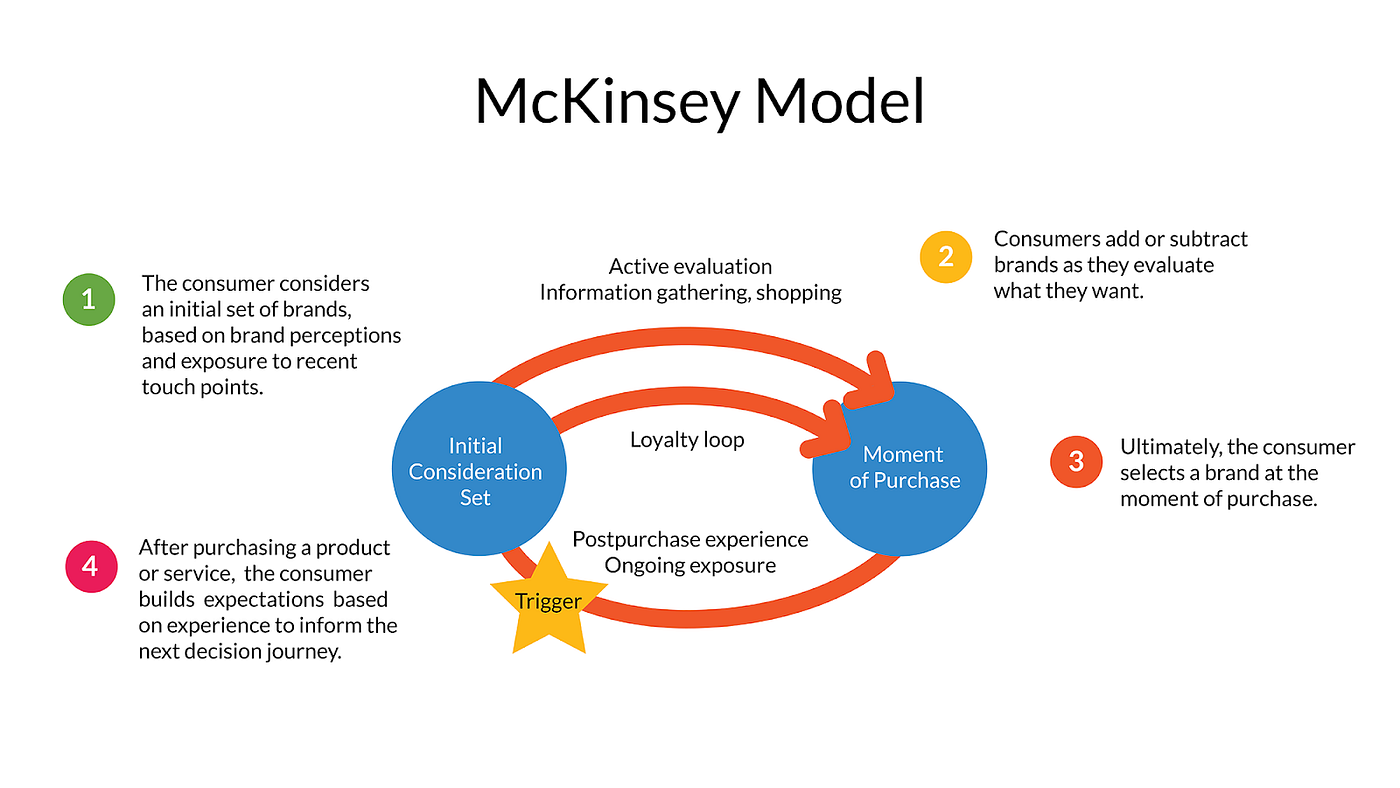
Problem Framing
This wasn’t a “persona creation” problem.
It was a decision-making alignment problem at scale.
Key gaps:
• Teams optimized for features, not user behaviors
• No shared language for prioritization
• Research insights existed, but weren’t operationalized
The core question became:
How might we translate fragmented research into a durable system that informs product, marketing, and business decisions across the organization?
Research Strategy
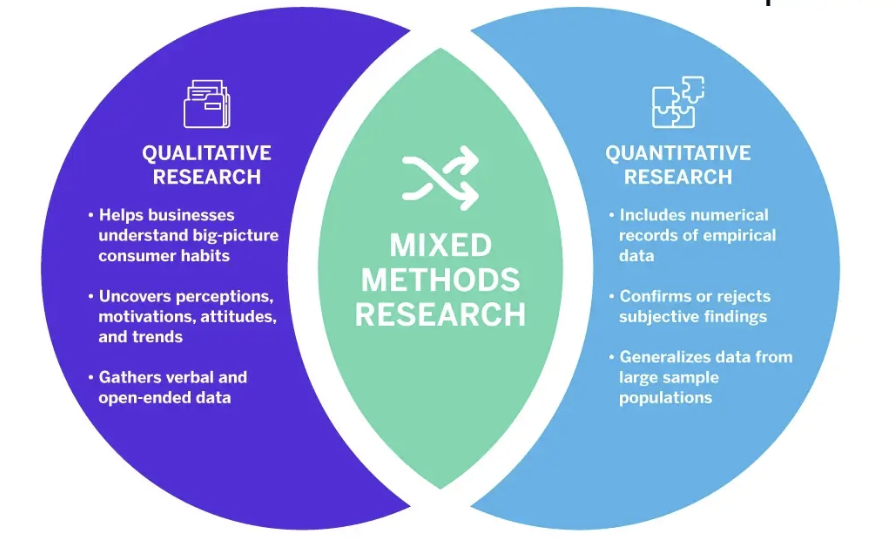
I led a mixed-method research program designed to move beyond attitudes into behavioral segmentation.
Data sources included:
• Generative user interviews
• Evaluative usability studies across acquisition flows
• Competitive benchmarking (Chase, Capital One, Discover, Chime)
• Quantitative inputs via IPSOS persona research
• Internal behavioral and funnel data
Approach:
• Synthesized across multiple studies to identify recurring patterns
• Clustered users based on financial mindset, behaviors, and decision drivers
• Mapped personas across a spectrum (e.g., Credit Anxiety → Credit Confidence) rather than discrete buckets
This ensured personas reflected how users actually make decisions, not just who they are.
Persona System
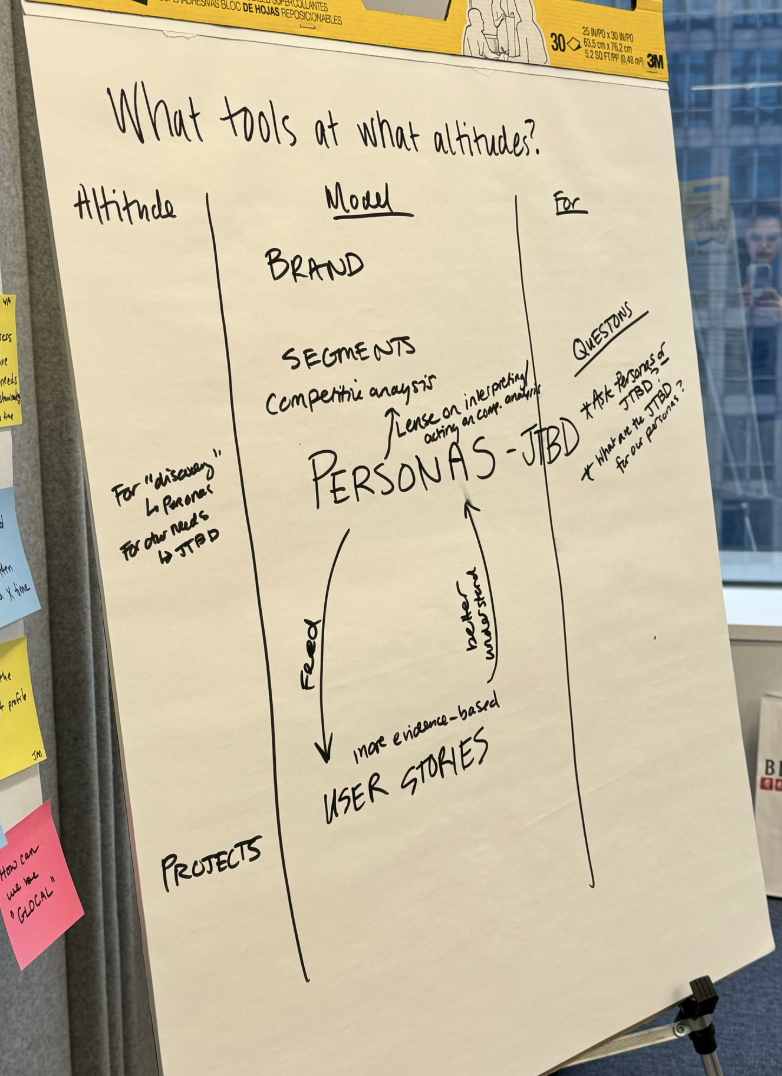
Instead of static personas, I developed a living persona framework:
• Anchored in Jobs-to-be-Done + financial mindset
• Designed to flex across product areas (Consumer, Small Business, Enterprise)
• Integrated with:
• Acquisition flows
• Messaging strategy
• Competitive positioning
Each persona included:
• Core motivations and anxieties
• Decision triggers and barriers
• Behavioral patterns across the application journey
• Implications for product and marketing
Key Insights
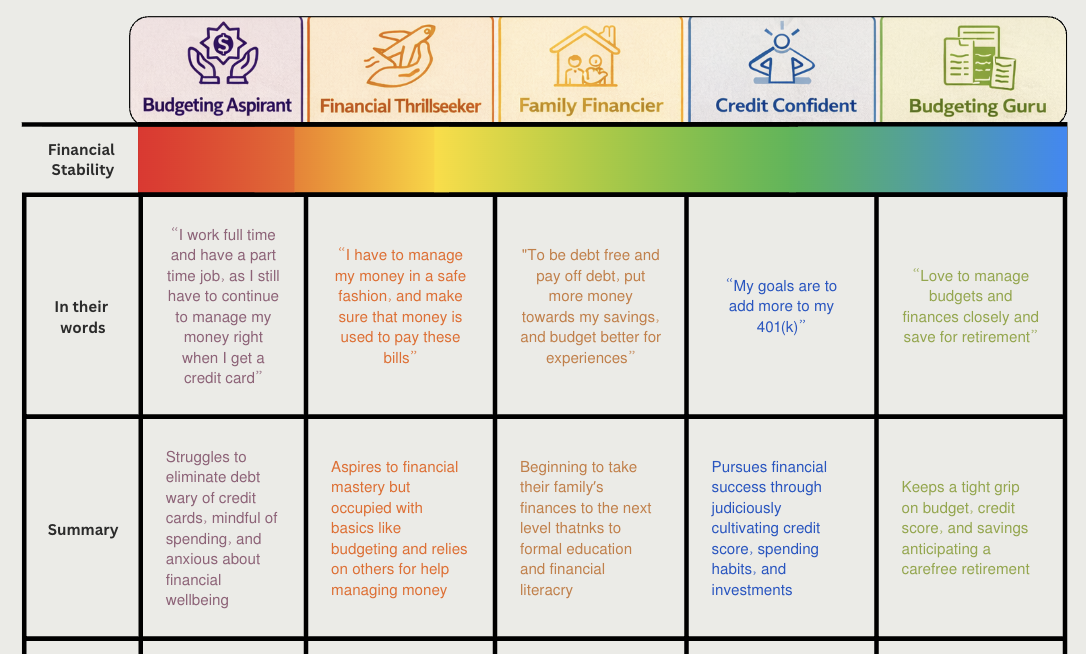
1. Financial mindset, not demographics, drives behavior
Users differed more by confidence, control, and goals than by age or income alone.
2. “Credit Anxiety → Credit Confidence” is a strategic spectrum
This became a unifying model for understanding acquisition opportunities.
3. Different personas require fundamentally different experiences
• Some need reassurance and clarity
• Others prioritize rewards optimization and efficiency
4. One-size-fits-all acquisition flows create friction
Existing experiences over-served confident users and under-supported anxious ones.
Business Impact & Decisions
I positioned personas not as deliverables, but as decision-making infrastructure.
Adoption included:
• Used by Global Brand Management to define target segments
• Integrated into acquisition strategy and roadmap planning
• Applied in heuristic evaluations and product design workshops
• Used in cross-functional “Persona Day” sessions to align teams
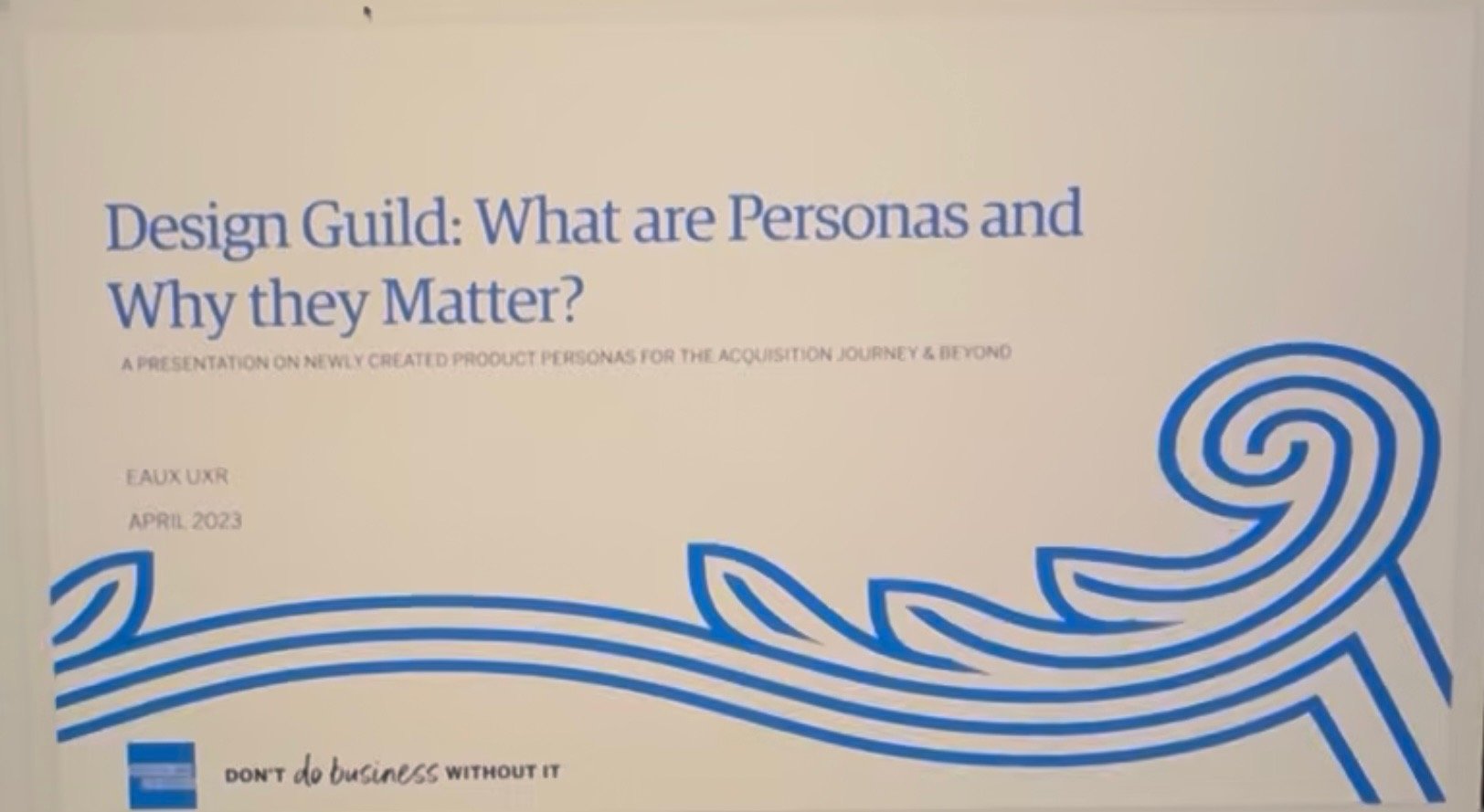
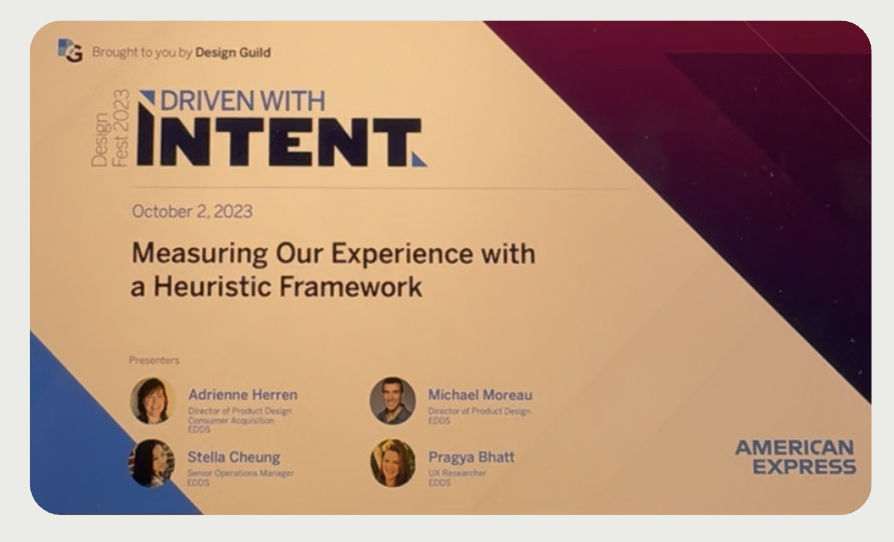
• Showcased in cross-functional “Design Guild” talk to align business & product
Key outcomes:
• Prioritization of two core personas aligned to business goals
• Clearer alignment between product, marketing, and brand
• More targeted acquisition strategies and messaging
This work fed into Acquisition Transformation Strategy (2025–2028).
What Happened Next
The persona framework scaled beyond its initial use case.
• Expanded into Small Business and Enterprise teams
• Integrated with IPSOS quantitative persona validation
• Used to inform usability testing and product iteration
• Became a foundation for ongoing research and benchmarking
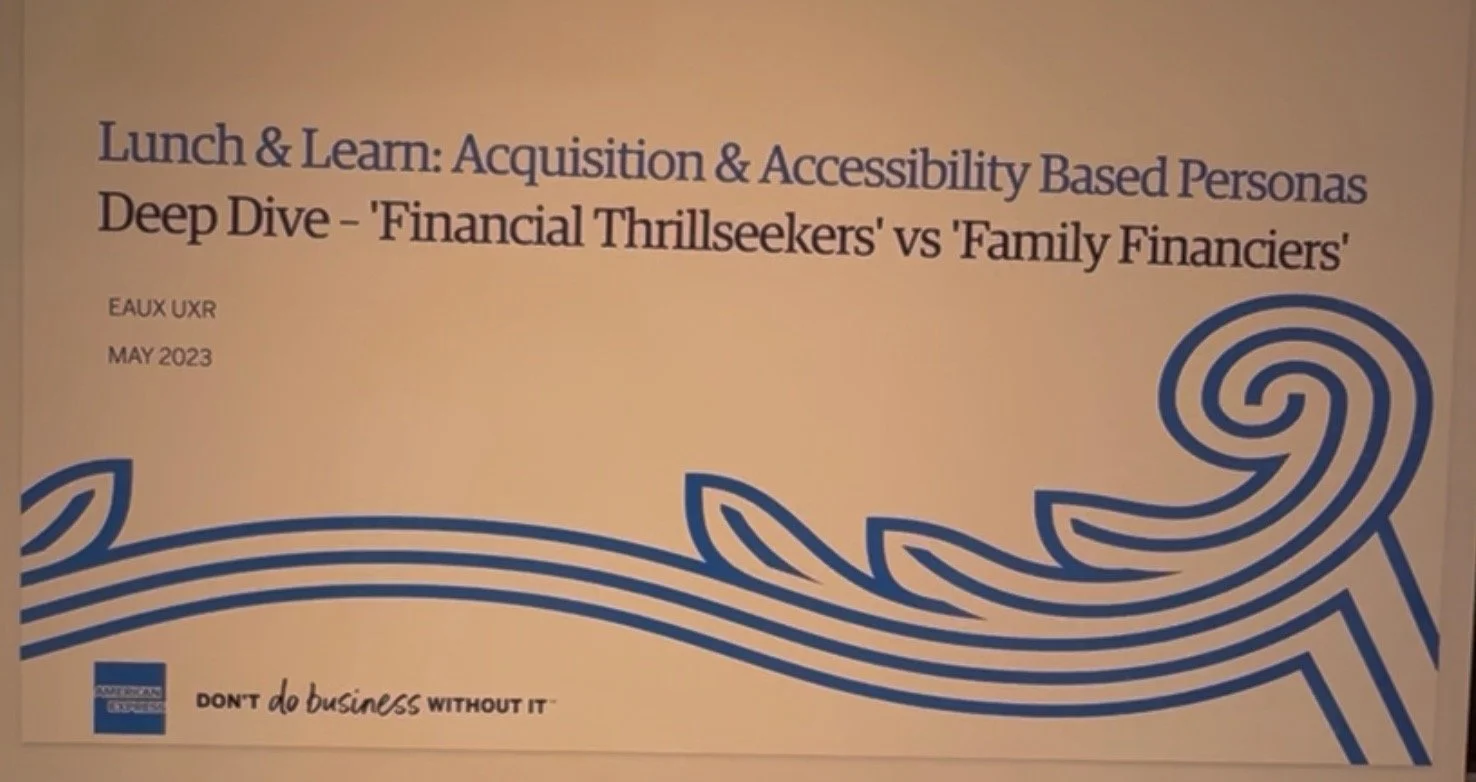
I also led education initiatives (Lunch & Learns, workshops) to ensure adoption, not just awareness.
This shifted teams from:
“What feature should we build?” to: “Which user are we solving for, and what do they need to move forward?”
Learnings
1. Personas only work if they are embedded into decision-making systems
2. Behavioral segmentation is more actionable than demographic segmentation
3. Adoption requires education, storytelling, and repetition
4. Cross-functional alignment is a research outcome, not a given
5. The most impactful research creates shared language, not just insights
6. Systems outlast artifacts
Outcome: Transformed fragmented research into a scalable persona system that aligned product, marketing, and brand around how users actually make decisions.